Whoa! I keep seeing people lose funds to browser-extension wallets. Seriously? Yes, it’s surprisingly common among DeFi users these days. Initially I thought it was mostly phishing scams, but after digging into dozens of incidents I realized that permission overreach and careless transaction approvals are the real recurring culprits, and that changes how you should protect yourself. My instinct said tighten everything up, and then test the UX.
Hmm… Here are the threats I pay attention to when I’m using an Ethereum wallet. Phishing dapps that mimic legit sites are obvious offenders. But there’s also malicious smart contracts that request infinite token approvals, clipboard hijackers that swap out addresses at the last second, and tiny browser extensions that quietly inject RPC endpoints, so the attack surface is broader than you’d think. Something felt off about a recent approval I signed, and that saved me from a bad trade.
Here’s the thing. Use separate browser profiles for your main accounts and your dapp exploration. Limit the number of extensions you trust in your DeFi profile. On one hand you need convenience for swaps and farm interactions; though actually, on the other hand, convenience should never override the basic tenets of least privilege and transaction review, which protect you from automated drains. Revoke approvals frequently and prefer per-tx approvals when you can.
Seriously? I’m biased, but hardware wallets are a non-negotiable for sizable balances. They keep your keys offline and make approvals explicit on the device. If you combine a hardware wallet with account isolation—meaning a dedicated account for staking, another for trading and another for small experiment funds—you both reduce risk and keep your daily UX manageable without risking everything at once. Even for small amounts, I keep somethin’ separate just to test new dapps.
Whoa! Always read the transaction details before confirming—especially the “to” address and token amounts. If a transaction includes “approve” or “permit” calls, pause and consider whether you need that level of access. Initially I thought gas fees were the main friction when reviewing txs, but then I realized that the content of the call and the allowance size are far more critical to whether you’ll be safe in the long run, because gas is a cost while approvals are a persistent liability. Use wallets that surface human-friendly descriptions or simulate the impact of a transaction when possible.
Hmm… I switched wallets a few times until the interface nudged me to be safer. The UX matters; a clearer confirmation flow forces a micro-habit of pause and review. The page where you download your wallet extension matters even more, because grabbing a mirror or a fake extension is how people get pwned. I’m not saying there is a single perfect wallet—none exist—but picking one that encourages safe behavior is very very important.
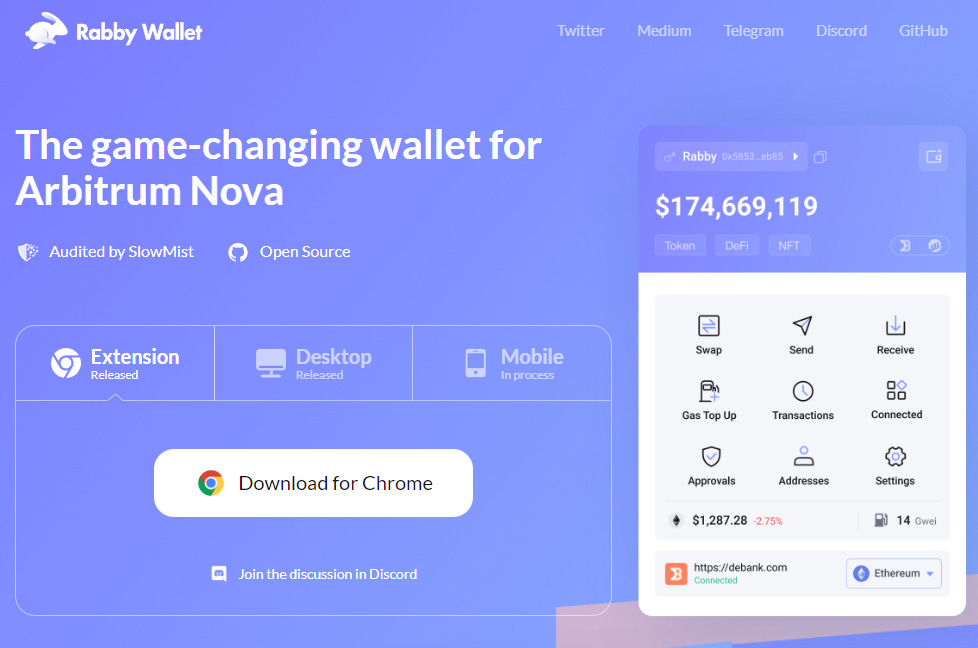
Try a wallet that nudges better behavior
Really? If you want to try it, go to rabby and download the extension from the official page—don’t trust random stores. Confirm the publisher and check the extension’s permissions before you install. Actually, wait—let me rephrase that: even after installation you should test with tiny amounts, use hardware signing for larger transactions, and enable any built-in simulation or pending-transaction previews that the extension offers so you get a feel for how it reports risky calls. Also, keep your browser and OS updated, and consider a dedicated device for high-value operations.
Here’s the thing. Security is cumulative; no single trick saves you from every vector. Small practices compound: fewer extensions, revoking allowances, and hardware confirmations (oh, and by the way…)—those tiny habits add up. On one hand these steps make the experience slightly less frictionless; though on the other hand, by conserving only the minimal privileges you dramatically reduce the chance that a single mistake drains your funds, and that tradeoff is worth it if you hold anything meaningful. I’m not 100% sure of every new exploit, but these habits have kept my accounts safer.
FAQ
Q: Is a browser wallet safe for day-to-day trading?
A: Short answer: yes, if you pair it with good habits. Use account isolation, test with small amounts, and prefer hardware confirmations for big moves. Also, revoke unnecessary token approvals often and double-check contract calls.
Q: What about mobile wallets and phishing?
A: Mobile apps have similar risks—phishing, fake apps, malicious deep links. Use official stores, check signatures when possible, and treat each approval as a potential long-term privilege. If somethin’ looks off, step away and verify on another device.
Q: I already got an approval accidentally. What now?
A: Revoke the approval immediately via the token’s contract or a trusted revocation tool, move funds to a safe address, and consider hardware-wallet migration. Monitor for suspicious activity and change your operational patterns to prevent repeats.