Whoa! Okay, so here’s the thing. I started using Solana wallets casually—just dabbling—and then things snowballed. At first it was curiosity. Then it got practical: NFTs, quick swaps, staking, airdrops, you name it. My instinct said: pick a browser extension that feels solid and doesn’t make me regret a late-night swap.
Phantom fits that bill most of the time. It’s fast. The UX is tidy. Transactions clear in seconds instead of minutes. Seriously? Yes—on Solana that latency advantage is real and it’s not just marketing speak. On the other hand, there are small UX moments that still bug me, little edge cases that remind you this space is new and raw.
Let me be candid: I’m biased, but I use Phantom daily for DeFi experiments and to manage multiple token types. Something felt off when competing wallets tried to shoehorn a desktop app into a browser extension. Phantom avoided that trap, keeping interactions native to the browser while preserving privacy and speed. Initially I thought extension wallets would be insecure by default, but Phantom’s approach to key management changed my mind—though actually, wait—let me rephrase that: it made me more comfortable, not complacent. I still use a hardware wallet for big holdings.
What Phantom Gets Right
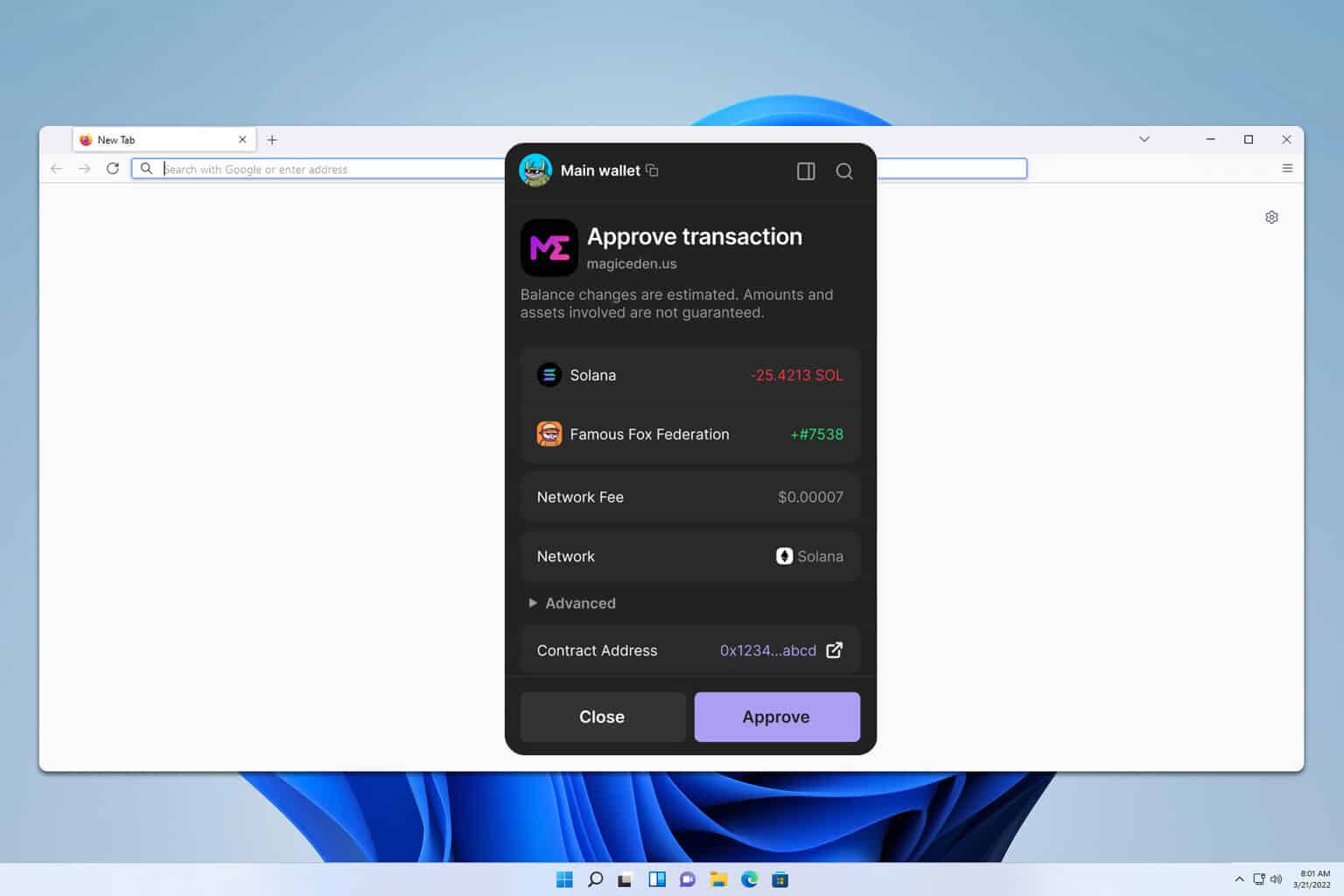
Fast transactions. That matters. Solana’s throughput only helps when your wallet doesn’t add latency. Phantom signs quickly and surfaces fees clearly, which reduces surprises. The UI balances simplicity and power—easy for newcomers, but with enough options for power users. It integrates with most Solana dapps I’ve used, from Raydium to Magic Eden. The experience of approving a swap is simple and usually predictable, though every now and then a dapp will pop a slightly different UI and you have to pay attention.
Security is pragmatic. Phantom stores keys locally and encrypts them with your password. It uses standard seed phrases for recovery. I’m not claiming that’s bulletproof. Hardware signing remains the gold standard. Still, for day-to-day use, Phantom’s balance of usability and security is sensible. Oh, and one more thing: the built-in token insight tools are handy when you’re watching airdrops or toxic tokens. They save time. Very very helpful when you’re juggling many assets.
One part I like a lot is the seamless switch between networks and clusters—mainnet, devnet—without reinstalling or jumping through hoops. That makes dev/testing flows way smoother. Also: token swapping inside the wallet is convenient—no need to open a separate dapp for every swap. That convenience has saved me from a few dumb mistakes during coffee-fueled late-night trades.
Where Phantom Still Needs Work
Here’s what bugs me about Phantom. The onboarding could be clearer about key safety for non-crypto folks. Some screens assume a basic understanding of seed phrases and key materials. That’s fine for many readers here, but for friends who are new, it’s a gap. Their instinct may be to screenshot a phrase or store it in an insecure place. That scares me.
Also, extension permission prompts can be confusing. Browser permissions mixed with wallet permissions create a noisy UX. On one hand, granular permissions are good. On the other hand, users get tired and click through. I wish Phantom nudged users more clearly toward safer defaults—like limiting auto-approval windows or reminding about connected sites more often.
Performance is usually excellent. Though—sometimes—when many dapps are open, the extension UI can lag or lose focus. It’s rare, but it happens, and it reminds you that browser extensions are an imperfect environment for crypto guardrails.
Practical Tips I Use
Keep a small, hot-wallet balance for everyday swaps and DEX interactions. Store the rest in cold storage. Seriously, it works. Back up your seed phrase in multiple secure locations—paper and a safe, or a hardware seed backup. Don’t take screenshots. Don’t paste your seed into random forms. If you see a permission request that asks to sign a message you don’t recognize, pause.
If you’re experimenting on devnet, create a dedicated wallet for testing. That way you avoid clutter and reduce the chance of accidentally mixing tokens between testnets and mainnet. Also, enable auto-lock and set a strong password. Phantom makes these options available; use them.
When connecting Phantom to a dapp, glance at the approval dialog. It shows the transaction structure, so you can catch obvious red flags—like unlimited token approvals. If that dialog looks weird, cancel and inspect in the dapp first. Trust your gut. My first impression sometimes saved me from allowing an unlimited approval to a sketchy contract.
Okay, one more pro tip: if you use multiple wallets, consider using separate browser profiles. It’s clunky but effective—separates dapp permissions and reduces blast radius when something goes sideways.
For convenience, Phantom’s built-in swap aggregator is great for smaller trades, but for larger AMM orders check deeper liquidity sources first. Slippage matters. Fees are low on Solana, but liquidity can bite you on big sizes. I learned that the hard way—once, on a larger NFT purchase, I misjudged slippage and paid a premium. Somethin’ to watch out for.
FAQ
Is Phantom safe for a daily-use DeFi wallet?
Yes—it’s a practical option for daily DeFi activity, provided you keep only what you need in the extension and use hardware or cold storage for large holdings. Phantom’s local key storage and password encryption are solid for day-to-day use, but good operational security is still a must.
Can I use Phantom with hardware wallets?
Yes. Phantom supports hardware wallets for signing, so you can combine the convenience of the extension with the safety of a hardware device. I do this for medium-sized positions that I still want quick access to.
Where can I get Phantom?
To grab the official browser extension, check the phantom wallet download extension and verify sources before installing. Always double-check the extension publisher and the URL—malicious clones exist.
I’m not 100% sure about everything here, but that’s the honest take based on months of use. There are trade-offs. On balance, Phantom’s speed, polish, and ecosystem fit make it my first stop when I’m in the Solana world. Still, keep your head about you. This space moves fast and surprises often—so be careful, keep backups, and enjoy the ride.